Day 1 — Prathamā
Analogy: Speaking in a room where no one turns—presence feels erased.
- Theme: Acknowledgment
- Human Shedding: Denial of inherited stories
- Inner Wound: Invisibility
- Impact: Recognition restores ancestral ease
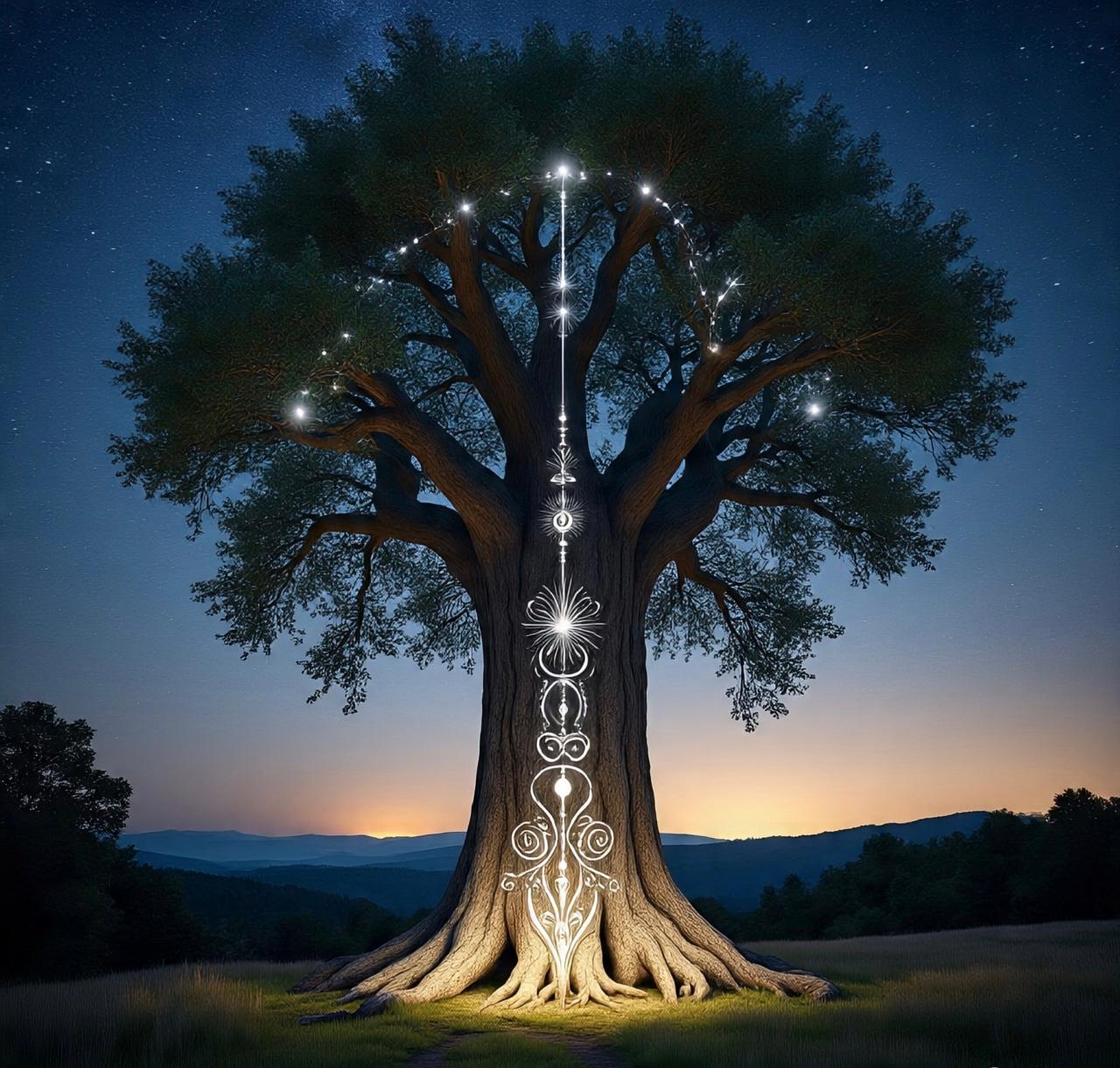
Ancestors of body, voice, and dream, we call your names into the circle of time. Through our remembrance, you are never gone—you live as breath within breath.
A week ago, Arya dreamt of my Mom, two of my GrandMa's., (her maternal grandmother and two great-grandmother). They appeared not as shadows, but as presence—checking in on language, well-being, learning. One of my Grandmom sat beside my Papa, inviting him to embrace the grace of age and release what no longer serves. Before leaving, Ma asked Arya to close the door and cleanse the space—a reminder that even transitions are sacred.
Since then, a white owl has perched on our roof each night. Across traditions, the owl guides between realms. Its arrival, just as Pitṛ Pakṣa unfolds, feels like affirmation: the ancestors are near.
The Garuḍa Purāṇa is a scripture of thresholds. When the jīvatmā leaves the body, it carries the subtle body (liṅga śarīra) and the mind (manas), still imprinted with memories, impressions, and bonds.
S This is about relationship, not fear. As we feel whole when remembered, so do our ancestors find peace when acknowledged.
“Śrāddhena pitaro tuṣyanti, tarpitaḥ sarva-devatāḥ.”
Through offerings to the ancestors, the forefathers are satisfied, and the gods themselves are nourished.
When remembrance is absent, the departed can feel incompletion—not punishment, but longing:
These are human reminders of a simple truth: to be remembered is to be included in the circle of life.
Pitṛ Pakṣa falls in the waning half of Bhādrapada, when the moon journeys from fullness into darkness. Each tithi (lunar day) honors ancestors who departed on that date, and the 15th day—Sarva Pitṛ Amāvasyā—embraces all, even those forgotten. It is a gentle descent in which both ancestors and descendants shed heaviness and rediscover flow.
Each day is a key, unlocking a layer of ancestral memory and healing. The pattern below offers a simple four-fold lens: Theme, Human Shedding, Inner Wound, and Ancestral Impact.
Analogy: Speaking in a room where no one turns—presence feels erased.
Analogy: The ache when someone withdraws suddenly.
Analogy: Unspoken grief lingering as chest-weight.
Analogy: Trembling before an unknown future.
Analogy: The sting of being mocked for one’s body.
Analogy: Ruptures in love echoing for years.
Analogy: The pain of being silenced.
Analogy: Trapped in repetitive loops.
Analogy: Duty without direction.
Analogy: The anxious grip of “never enough.”
Analogy: Cravings that echo like endless hunger.
Analogy: Bitterness binding people to the past.
Analogy: The heaviness of broken vows.
Analogy: Family shadows and secrets unspoken.
Analogy: The illusion of “them” versus “us” dissolves.
Death loosens layers: the body (śarīra) returns to elements; the traveler (jīvatmā) carries karma and subtle body; the mind (manas) holds impressions seeking release; the Ātman remains untouched. Shrāddha soothes the manas, nourishes the jīvatmā, and keeps the lineage light alive.
It’s a sacred text that guides us on death, remembrance, and continuity. It emphasizes relational care over fear.
Each tithi aligns with the lunar cycle and honors those who departed on that date; the final day embraces all ancestors.
Simple offerings—water, a candle, prayers, or heartfelt remembrance—carry power. Intention nourishes.
The bond is timeless; a later act of remembrance restores flow. The ancestors aren’t angry.
It eases ancestral knots, restores blessings, and supports health in relationships, money, and mood.
No. It’s about continuity—departure, remembrance, and liberation as a living cycle.
To the Pitṛs of all lineages—remembered and forgotten—may our offerings reach you as light, may your blessings return as grace, and may we walk together in continuity.
In Essence: Pitṛ Pakṣa mirrors the waning moon—each day shedding, remembering, restoring. Annual Shrāddha keeps the lineage flowing, and the Garuḍa Purāṇa reminds us: death is not extinguishing the light—it is shedding until only light remains.